
Owning rental property in Maryland can be a rewarding investment, but maintenance and repairs are part of the job. Whether you manage a single-family home in Baltimore or a multi-unit property in Montgomery County, staying ahead of common repair issues can save you time, money, and tenant complaints.
Maryland landlords are responsible for providing safe and habitable housing, which means understanding the most frequent repair problems is essential. Here are five common rental repairs every Maryland landlord should know — and how to handle them effectively.
1. Plumbing Problems
Plumbing issues are among the most common repair calls landlords receive. From leaking faucets to clogged drains and running toilets, these problems can quickly become expensive if ignored.
Common Plumbing Issues:
- Leaky pipes
- Clogged sinks or toilets
- Water heater failures
- Low water pressure
- Sewer backups
Why It Matters in Maryland
Maryland’s seasonal temperature changes can cause pipes to expand and contract, increasing the risk of leaks or burst pipes during winter months.
Landlord Tip:
Schedule annual plumbing inspections and educate tenants on proper drain use. Address small leaks immediately to avoid water damage and mold growth.
2. HVAC System Repairs
Maryland experiences hot, humid summers and cold winters, making heating and cooling systems critical for tenant comfort.
Common HVAC Problems:
- Dirty air filters
- Furnace malfunctions
- Broken thermostats
- Air conditioning failures
- Poor airflow
Maryland Rental Law Consideration
Landlords must maintain functioning heating systems during colder months. In many Maryland counties, lack of heat can qualify as an emergency repair.
Landlord Tip:
Perform seasonal HVAC maintenance before summer and winter. Regular servicing extends system lifespan and reduces emergency repair costs.
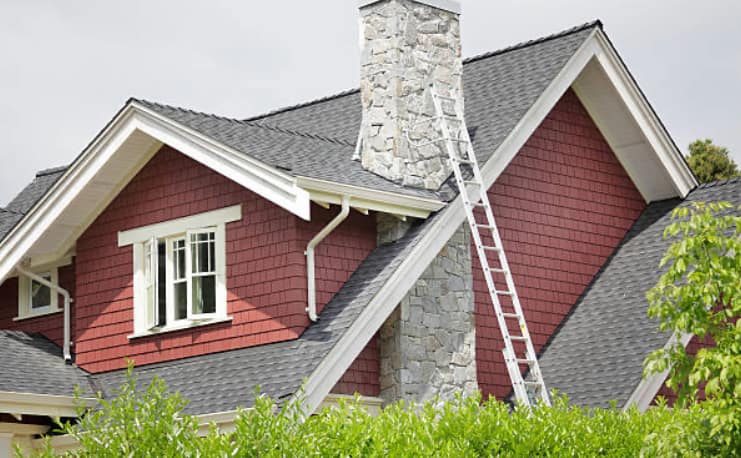
3. Roof and Gutter Damage
Heavy rain, snow, and storms are common in Maryland, and roofs often take the brunt of the weather.
Signs of Roof Problems:
- Missing shingles
- Ceiling stains
- Leaks during storms
- Sagging gutters
- Mold or mildew in attics
Why Fast Repairs Matter
Roof leaks can lead to structural damage, mold issues, and tenant complaints if not addressed promptly.
Landlord Tip:
Inspect roofs and gutters at least twice a year, especially after major storms. Clean gutters regularly to prevent water overflow and foundation issues.
4. Electrical Repairs
Faulty electrical systems are both a safety hazard and a legal liability for landlords.
Common Electrical Issues:
- Flickering lights
- Dead outlets
- Frequently tripped breakers
- Outdated wiring
- Non-working smoke detectors
Maryland Safety Requirements
Maryland landlords are required to provide working smoke detectors and safe electrical systems in rental properties.
Landlord Tip:
Hire licensed electricians for electrical work and avoid DIY fixes. Older Maryland homes may require updated wiring to meet modern safety standards.
5. Drywall and Paint Damage
Normal wear and tear happens in every rental property, but some drywall and paint damage can become larger issues if ignored.
Common Cosmetic Repairs:
- Nail holes
- Cracks in drywall
- Water stains
- Peeling paint
- Scuffed walls
Maryland Rental Property Considerations
Humidity can contribute to paint peeling and drywall damage, especially in basements or older homes.
Landlord Tip:
Use durable, washable paint in rentals and inspect walls between tenants. Prompt repairs help maintain property value and attract quality renters.
Preventative Maintenance Saves Money
The best way to reduce costly repairs is through preventative maintenance. Maryland landlords who stay proactive often experience:
- Fewer emergency repair calls
- Lower long-term maintenance costs
- Better tenant retention
- Improved property value
- Reduced legal risks
Creating a regular maintenance schedule can help you identify small problems before they turn into expensive repairs.
Final Thoughts
Managing rental properties in Maryland comes with responsibilities, and understanding common repair issues is part of being a successful landlord. Plumbing problems, HVAC failures, roof damage, electrical issues, and cosmetic repairs are all common challenges — but with proactive maintenance and quick action, they can be managed effectively.
By staying informed and responsive, Maryland landlords can protect their investments while providing safe and comfortable homes for tenants.