
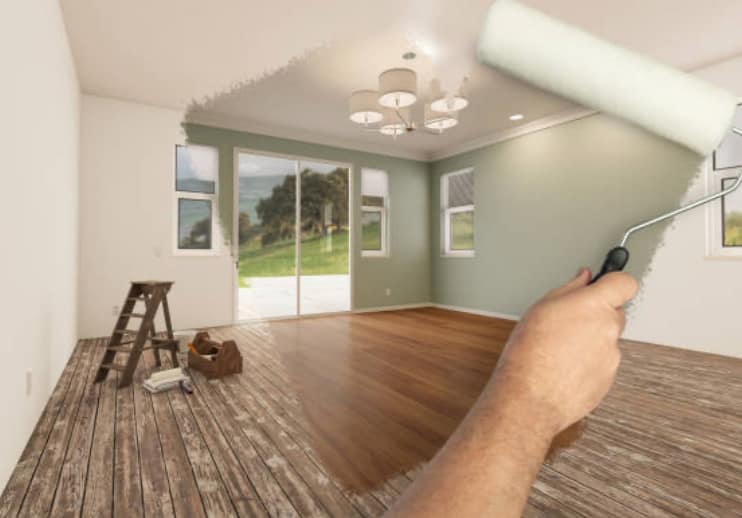
Maryland’s real estate market presents a prime opportunity for wealth building through the renovation of distressed properties. From urban Baltimore rowhomes to suburban Prince George’s County fixer-uppers, strategic value-add projects allow investors to purchase at a discount. Yet, a rehab project can quickly turn into a financial liability if not approached with thorough preparation.
To help both novice and seasoned investors navigate the Maryland market, here are seven vital tips for a successful rehab investment.
1. Research the Maryland Market Carefully
Every local market in Maryland is different. What works in Baltimore City may not work in Annapolis or Montgomery County. Before purchasing a rehab property, study the neighborhood thoroughly.
Look for:
- Average home values
- Recent comparable sales (“comps”)
- Rental demand
- School districts
- Upcoming developments
Maryland has many diverse markets, and understanding local trends can help you identify neighborhoods with strong appreciation potential. Areas experiencing revitalization often provide some of the best rehab opportunities.
2. Understand Maryland’s Permit and Inspection Requirements
Maryland counties and cities have specific building codes and permit requirements that investors must follow during renovations. Failing to secure proper permits can lead to delays, fines, or issues when reselling the property.
Before starting a rehab:
- Contact the local permitting office
- Determine what renovations require permits
- Budget for inspections and fees
- Work with licensed contractors familiar with Maryland regulations
Certain counties, such as Baltimore City and Prince George’s County, can have stricter compliance requirements, so preparation is critical.
3. Build a Realistic Renovation Budget
One of the biggest mistakes rehab investors make is underestimating renovation costs. Always create a detailed budget that includes:
- Materials
- Labor
- Permit fees
- Holding costs
- Utilities
- Insurance
- Contingency funds
A good rule of thumb is to set aside at least 10–20% extra for unexpected repairs. Older Maryland homes may hide issues such as outdated electrical systems, plumbing problems, water damage, or foundation concerns.
Accurate budgeting protects your profits and helps avoid financial stress during the project.
4. Focus on the Right Improvements
Not every upgrade adds value. Smart investors focus on renovations that deliver the highest return on investment.
In Maryland rehab properties, buyers and renters often prioritize:
- Updated kitchens
- Modern bathrooms
- Energy-efficient windows and HVAC systems
- Fresh paint and flooring
- Curb appeal improvements
Avoid over-improving the property for the neighborhood. The goal is to maximize value while staying aligned with local market expectations.
5. Work With a Reliable Team
Successful rehab investing is rarely a solo effort. Having a dependable team can save you time, money, and headaches.
Your team may include:
- Real estate agents
- Contractors
- Electricians and plumbers
- Property inspectors
- Attorneys
- Lenders
In Maryland’s competitive market, reliable contractors are especially valuable. Always check references, licensing, insurance, and past work before hiring anyone.
Building strong professional relationships can make future rehab projects much smoother.
6. Know Your Exit Strategy Before You Buy
Before purchasing a property, decide how you plan to profit from it. Your exit strategy will influence your budget, renovation scope, and financing options.
Common rehab investment strategies include:
- Fix and flip
- Buy and hold rental
- Short-term rental
- BRRRR strategy (Buy, Rehab, Rent, Refinance, Repeat)
Maryland’s rental market can be strong in areas near Washington, D.C., Baltimore, and major universities. However, each strategy comes with different risks and timelines, so clarity is important from the beginning.
7. Don’t Let Emotions Drive the Deal
Real estate investing should be based on numbers, not emotions. Some investors fall in love with a property and ignore warning signs or overspend on renovations.
Always analyze:
- Purchase price
- Rehab costs
- After Repair Value (ARV)
- Holding expenses
- Potential profit margins
If the numbers do not make sense, be willing to walk away. Discipline is one of the most important qualities of a successful rehab investor.
Final Thoughts
Investing in Maryland rehab properties offers significant potential for long-term wealth and immediate profit, provided you prioritize diligent research, strategic planning, and sound financial management.
To maximize your success and minimize common pitfalls, focus on assembling a dependable professional team, adhering to a well-defined strategy, and maintaining a disciplined budget.Applying these seven fundamental principles will empower you to navigate Maryland’s competitive real estate landscape with confidence, whether you are renovating suburban rentals or flipping properties in Baltimore.